
With a long history in computing, I’ve had my share of heartbreaks from losing data, whether due to a power outage, a drive malfunction, or just failing to save documents in time. To avoid losing data on a phone or computer, it is necessary to save it in a long-term storage location, whether on the internal drive or an external drive. Otherwise, it will be lost once the device is turned off or the application is closed.
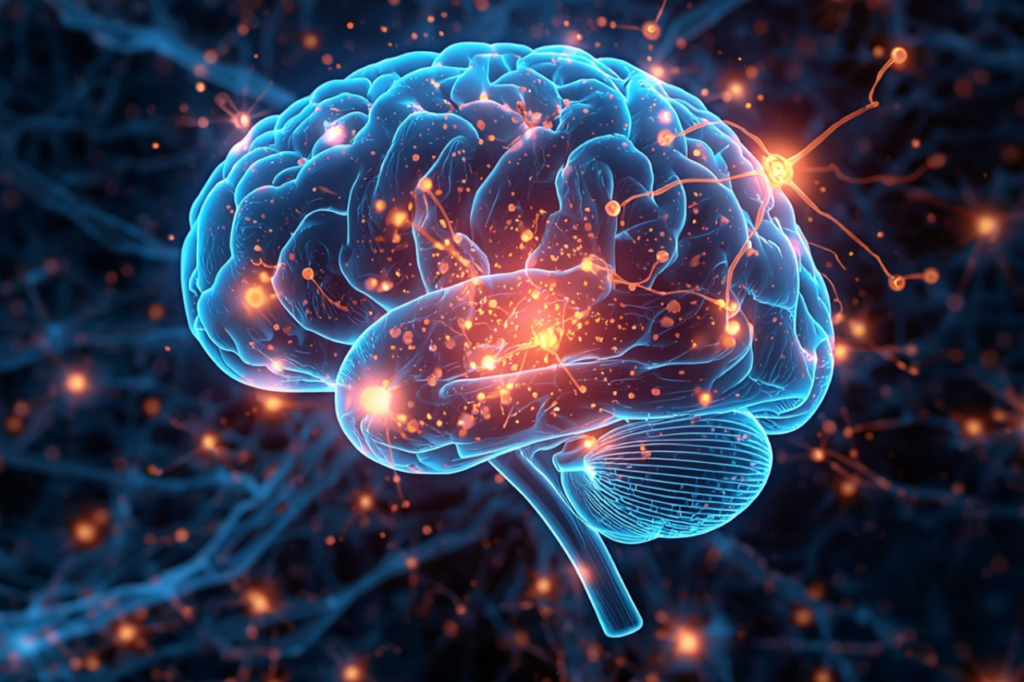
Our brains work similarly: there are some events and memories we seem to never forget. We can recall them with ease. Whether it’s due to the significance of the moment or the result of repetitious activity, we have succeeded in storing it in and recalling it from our long-term memory.
Our short-term and working memory help us perform tasks in the present, and these events and activities may not translate well to our long-term memory.
All aspects of our memory are critical for our well-being. However, we need to ensure that, in our decision-making and in our assessment of life, we regularly engage our long-term memory.
As people, we tend to be very reactive to what is happening now. This is natural because we have emotions and tend to respond to what we feel, whether we are happy, sad, worried, or calm. Yet God cautions us to remember the past so we don’t overreact to the present, make irrational decisions, and experience harmful consequences.
In Deuteronomy 8, the children of Israel were about to enter the Promised Land after forty years of wandering in the wilderness. Their fortunes were about to change dramatically. God prepares them by giving a warning:
When thou hast eaten and art full, then thou shalt bless the LORD thy God for the good land which he hath given thee. Beware that thou forget not the LORD thy God, in not keeping his commandments, and his judgments, and his statutes, which I command thee this day: (Deuteronomy 8:10-11)
As we go about our lives, don’t forget:
1) What God has already done for us, whether it was to heal, provide, protect, or sustain.
2) The consequences of disobedience to God. Prioritizing only immediate gratification leads to lasting regret.
Your long-term memory is crucial for making wise, responsible decisions. So, engage it regularly.